ADVENT LANTERN (daily meditations)

December 6. The 2nd Sunday of Advent.

The thoughts of dr. Jakubinyi György Archbishop Emeritus

We live in a dual Advent: our own Advent revives the Old Testament, the time when people were waiting for the first arrival of the Messiah, the Christmas. At the same time we are waiting for the second and final arrival of the Messiah, the end of the world. Therefore, we live in a constant Advent. The main character of the gospel today is John the Baptist, the forerunner. He shows us the Messiah on the banks of the Jordan: Behold, this is the lamb of God who takes away the sins of the world. His words are also our Advent preparation programme for Christmas: Prepare the way of the Lord, make his paths straight. It means we should repent, go to confession, eradicate from our soul all that is twisted, all that distracts us from Christ. Let us do good to our neighbours, let us relieve the physical and spiritual misery that surrounds us.

Photo: Geréd Zsolt

Articol
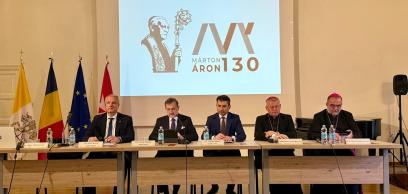
Luni, 19 octombrie 2026, la ora 18.00, Academia Română din Roma a găzduit conferința intitulată „Episcopul Márton Áron – martor și simbol al Europei creștine”, un eveniment dedicat moștenirii spirituale a venerabilului episcop mărturisitor, evocând destinul unui păstor care, în mijlocul furtunilor istoriei, a rămas neclintit în slujirea adevărului evanghelic, a demnității umane și a libertății de conștiință.
Articol
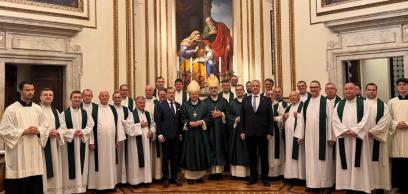
În zilele de 18 și 19 octombrie 2026, la Roma au loc două evenimente de înaltă ținută eclezială și diplomatică, dedicate memoriei Venerabilului Episcop Márton Áron, una dintre personalitățile emblematice ale istoriei Bisericii din Transilvania în secolul al XX-lea. Înfruntând cu fidelitate neclintită furtunile istoriei, acest mărturisitor al credinței a apărat cu mult curaj demnitatea persoanei umane devenind un simbol autentic al credinței creștine și al reconcilierii dintre popoare.
Articol
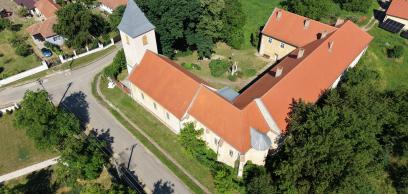
Fosta mănăstire franciscană din Vințu de Jos se numără printre cele mai valoroase și mai bine păstrate ansambluri monastice ale franciscanilor bulgari din Transilvania. Importanța sa este evidențiată de conservarea, în mare parte, a configurației arhitecturale din secolul al XVIII-lea și de numărul relativ redus al intervențiilor care i-au modificat caracterul originar.